The Impact of Trump's Tariffs on EU Goods for Amazon China Sellers
Exploring the impact of Trump's EU tariffs on Chinese Amazon sellers, focusing on supply chain challenges, competitive shifts, and strategic adaptations.
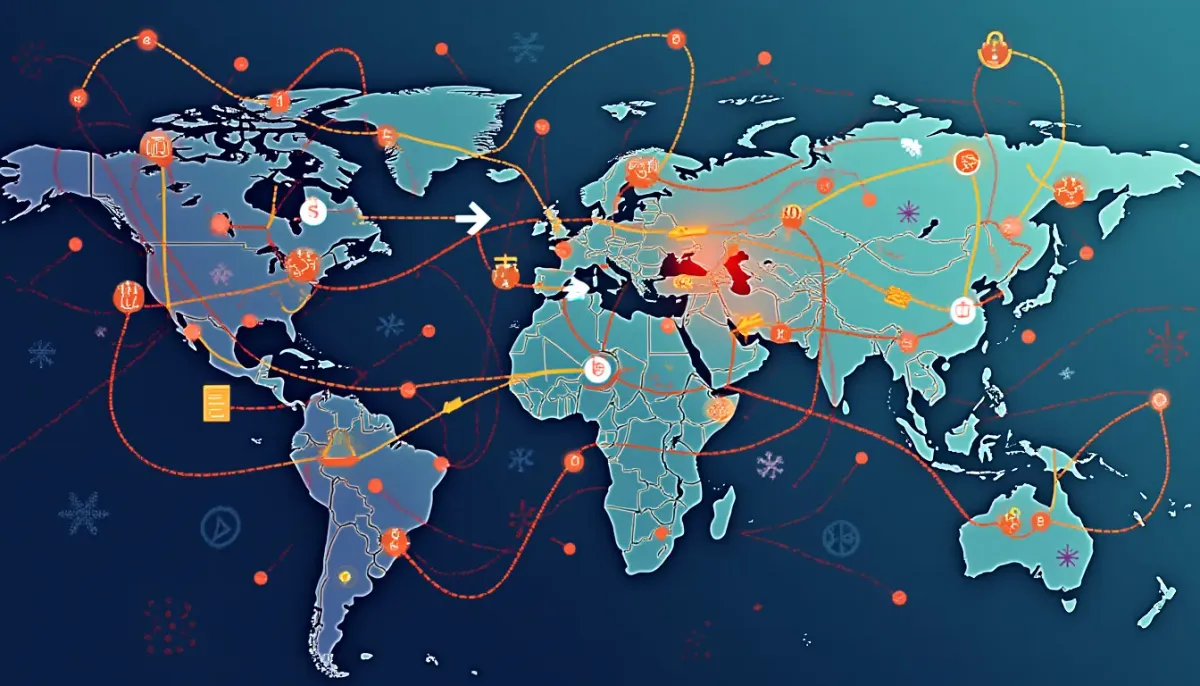
Introduction: A Changing Landscape for Global Trade
Throughout the past few years, economic landscapes shifted dramatically as trade policies, especially those introduced during Donald Trump's presidency, redefined global trade dynamics. One significant policy was the imposition of tariffs on products imported from the European Union, which had broad-ranging ramifications.
Chinese sellers on Amazon have capitalized on global opportunities, and the ripple effects of these tariffs generate unique challenges and opportunities for them. This article delves into the multifaceted effects of such measures, focusing on supply chain issues, competitive dynamics, and strategic adaptations.
An Overview of Trump’s EU Tariffs
Under Trump's administration, tariffs were used as a strategic tool to renegotiate trade balances. Targeted tariffs aimed to encourage domestic manufacturing within the U.S. and counterbalance perceived unfair trade practices by the EU. The tariffs were imposed on a wide range of EU goods, including automotive, agricultural products, and manufactured goods, significantly altering the playing field for exporters and importers alike.
Key Goals of the Tariffs:
- Protect U.S. Industries: By making imported goods more expensive, tariffs aimed to boost local production.
- Correct Trade Imbalances: Address discrepancies in the U.S.-EU trade flows.
- Strengthen Negotiation Power: Leverage tariffs as a bargaining tool in bilateral discussions.
Implications for Amazon Sellers in China
Disruption in Global Supply Chains
"Tariffs act like taxes on commerce, subtly altering the flow and composition of trade."
For Chinese Amazon sellers, these tariffs introduced new dynamics into their interaction with European goods. Many sellers rely on importing specific components or entirely manufactured products from the EU, which became more costly due to the increased duties.
Increased Cost of Components and Finished Goods
Goods imported from the EU faced substantial price hikes, leading Chinese sellers to reevaluate their sourcing strategies.
- Component Parts: Electronics, vehicle parts, and luxury items experienced price spikes, compelling sellers to seek alternative, often less reliable suppliers.
- Finished Goods: For those who retail EU products directly, maintaining price competitiveness became challenging, squeezing profit margins.
Adjustments in Pricing Strategies
Chinese sellers had to grapple with the decision to absorb these costs or pass them onto consumers. In an already competitive marketplace, where price translates to competitiveness, absorbing costs without sacrificing quality or profit margins proved daunting.
Exploring Alternatives: A Pivot Towards Diversification
In response to the constraint of tariffs, many sellers began diversifying their supply chains.
- Expanding Supplier Networks: Sellers sought new suppliers in regions unaffected by tariffs, such as Southeast Asia and domestic factories.
- Investment in Local Manufacturing: Encouraged development of local manufacturing capabilities, aiming to reduce dependency on EU goods.
Changing Competitive Dynamics
Sourcing Sophistication
The tariffs triggered a shift in how sellers approached sourcing, favoring strategies that hedged against the volatility of international tariffs.
- Data-Driven Decisions: Sellers increasingly rely on market analytics to identify cost-effective suppliers.
- Strategic Inventory Management: Building buffer stocks and lead-time management became essential.
Impact on Market Position
"In the arena of online retail, adaptability and foresight are key to maintaining a competitive edge."
Increased costs necessitated strategic pivots:
- Product Differentiation: Emphasizing unique product features or bundle offerings.
- Brand Loyalty: Cultivating relationships with consumers to offset price increases.
Strategic Adaptations
Leveraging E-commerce Tools
Amazon sellers turned towards advanced e-commerce tools to optimize operations and increase efficiency amid challenges.
- Artificial Intelligence: AI tools aid in predicting demand and optimizing stock levels.
- Automation: Streamlined processes through automation reduced operational costs.
Innovating Through Information Technology
Amplified focus on IT solutions enabled sellers to harness analytics for better decision-making:
- Blockchain: Incorporated for transparent and efficient supply chain tracking.
- Innovative Platforms: Utilizing platforms for market expansion and customer engagement.
Conclusion: Navigating an Evolving Market
Navigating through the complexities induced by Trump’s tariffs, Chinese Amazon sellers demonstrate resilience and innovation. While trade barriers altered the landscape, they also provided a unique impetus for sellers to rethink strategies and adapt through diversification, strategic alignment, and technological integration. The future lies in continued adaptability and foresight, ensuring competitiveness in an ever-evolving market.
Success in e-commerce depends not just on thriving in current conditions, but on anticipating and adapting to those of tomorrow.
GLOBAL TRADE, CHINESE SELLERS, ECONOMIC IMPACT, JOURNAL, AMAZON, TRADE POLICY, TARIFFS, SUPPLY CHAIN